
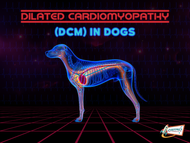
Dilated Cardiomyopathy (DMC) in Dogs
Posted by Michelle Matlock on Sep 25th 2026
Dilated Cardiomyopathy (DCM) in Dogs
When we think about keeping our dogs healthy, we often focus on food, exercise, weight, and routine vet visits. But heart health is just as important, especially for breeds that may be predisposed to certain conditions. One condition that dog parents should be aware of is dilated cardiomyopathy, or DCM.
DCM was never something I worried much about with my own dogs. Our girl Mabel is a healthy, three-year-old, 60-pound Husky mix with no known predisposition for the disease. But because I have friends with dogs who are genetically at risk, I learned enough about DCM to understand how serious it can be, and why awareness matters.
My interest in this topic grew even more as I continued my education in canine nutrition; I became especially interested in micronutrients and the important role they play in overall health. Learning more about vitamins, minerals, amino acids, and fatty acids led me down the path of researching beneficial supplements, especially those that may support heart health in dogs.
In this blog, we’ll talk about what DCM is, which breeds may be more at risk, common symptoms to watch for, how it’s diagnosed, and treatment options that may help support dogs living with this condition.
What is dilated cardiomyopathy (DCM)?
Dilated cardiomyopathy (DCM) is a disorder of the heart and primarily affects the heart muscle. It can lead to enlargement and weakening of the heart muscle, with the left ventricle being most affected. When this happens, blood cannot be pumped properly, which can lead to arrhythmias, chronic heart failure (CHF), and even death if left untreated.
What are some breeds that are predisposed to DCM?
- Doberman
- Boxer
- Great Dane
- Giant Schnauzer
- Irish Wolfhound
- Newfoundland
- Saint Bernard
- Labrador Retriever
- Standard Schnauzer
- Cocker Spaniel
What are the symptoms of DCM?
There may be no symptoms in early stages of DCM, so if you have a dog that is predisposed regular veterinarian check-ups can help detect early stages.
Below are symptoms of DCM:
- Breathing rapidly while at rest or asleep (over 35 breaths per minute)
- Greater effort needed to breathe
- Restless sleeping
- Coughing
- Gagging
- Weakness
- Reduced ability to exercise
- Collapse
- Fainting
- Decreased appetite
- Weight loss
- Swollen abdomen
- Lethargy
How is dilated cardiomyopathy diagnosed?
- Using a stethoscope to examine sounds from the chest
- Blood work and urinalysis – Complete Blood Count (CBC), metabolic panel and urinalysis; heart disease can affect renal function.
- Cardiac biomarkers including Cardiac Troponin I and ProBNP – the Cardiac Troponin II measures a protein released into the blood when heart cells (cardiomyocytes) are injured or die. ProBNP measures a hormone secreted by the heart's ventricles in response to increased stretch, stress, or pressure overload
- ECG – echocardiogram records the electrical signals of the heart.
- X-rays – films show the size of the heart.
- Ultrasound - reveals chamber dilation, ventricular walls, systolic function, and ejection fraction (how well the left ventricle is pumping blood).
What is treatment for DCM?
Your veterinarian will go over the best treatment plan for your dog but the following are common treatments for dogs with DCM.
- Pimobendan – strengthens heart contractions and reduces the heart workload.
- Diuretics – these medications help remove excess fluids from the body.
- ACE-inhibitors – help the heart pump more effectively by widening blood vessels, reducing blood pressure and lowering resistance.
- Cardiac glucosides – strengthens heart contractions and controls atrial fibrillation.
- Anti-arrhythmic – helps to maintain normal heart rhythm and manages ventricular tachycardia.
Supplemental therapy can help as well. Below are supplements that can help with slowing DCM and overall heart health.
Taurine: is a conditionally essential amino acid essential for heart health; deficiency may lead to DCM, so supplementation is often advised regardless of confirmed deficiency.
L-Carnitine is a conditional essential amino acid that facilitates energy production within the heart muscle. Often suggested to supplement in treatment of heart disease.
Omega-3 fatty acids (DHA and EPA): reduces muscles loss and inflammation, can help stabilize heart rhythm.
Coenzyme Q10 (CoQ10): An antioxidant that supports cellular energy production and can be beneficial for dogs with DCM.
Antioxidants: Antioxidant supplementation can be helpful in managing oxidative stress associated with dilated cardiomyopathy.
B complex vitamins: essential vitamins that help maintain muscle tone, aids in heart health, Riboflavin is an antioxidant.
Magnesium: an essential mineral that is crucial to maintaining normal heart rhythm and function, aids in lowering blood pressure. Please note that blood work should be done before supplementing with magnesium.
Before starting a supplement regiment, it is always recommended to contact your veterinarian.
In summary, dilated cardiomyopathy (DCM) is a serious heart condition that affects certain giant, large and some smaller dog breeds. Early diagnosis and treatment can help manage the condition and improve the quality of life for a dog with DCM. With the proper care, including medications and supplements, dogs with DCM can continue to live happy and fulfilling lives.
If you have any concerns about your dog's heart health, don't hesitate to consult your veterinarian. They can provide the necessary guidance and support to ensure your pup stays healthy and happy.
I hope this blog helped educate you on DCM in dogs and that you feel more informed!
And if you need a taurine supplement, AstroPet Products offers Pulsar – Heart Health Supplement. It is made in the USA with human-grade ingredients.
Link to Pulsar Heart Health Supplement: https://astropetproducts.com/pulsar-pure-taurine-supplement-dogs-cats/
Until next time stay comfy, don’t stress and you got this!
Michelle Matlock, Cert.CN, Cert.FN
Canine Nutrition Coach